-
 Community Experiences on Indigenous Seed Sovereignty & Seed Savers Rights
 The document outlines vital discussions from the Community Experiences on Indigenous Seed Sovereignty, focusing on rights, conservation, and challenges faced by indigenous farming communities. It highlights that India’s national genetic resources exceed 400,000 accessions across 1586 species, with significant varieties also stored globally. The text underscores the inadequacies of existing laws, such as the PPVFR Act and the National Seed Policy, which may undermine community rights over traditional seeds. It calls for stronger networks and governmental support to safeguard biodiversity against privatization and genetic manipulation, emphasizing the need for an open-source National Biodiversity Heritage Registry to protect collective heritage.
-
 Seed Sovereignty and Indigenous Futures
 This report presents a critical analysis of seed sovereignty among Indigenous and Adivasi communities in India, focusing on the threats posed by corporatisation, state policy, and climate change. Drawing from recent research, fieldwork, and ongoing projects such as the RLS–Keystone initiative, it outlines the contours of seed systems shaped by history, global power structures, and community resistance. Anchored in agroecological and rights-based perspectives, this report is intended as a policy advocacy document for national and international forums.
-
 Semmanarai Seasonal Calender
-
 SANFEC-Keystone Report
 This document examines agricultural practices and land use among indigenous communities in the Nilgiris region of India, focusing on the impacts of monoculture, particularly tea and coffee plantations, on biodiversity, soil health, and local economies. The study highlights the shift from traditional mixed agriculture to cash crops, which has led to increased reliance on chemical fertilizers and pesticides, negatively affecting soil quality and food security. It emphasizes the importance of promoting sustainable farming practices, such as intercropping and organic methods, to enhance food diversity and economic viability for local farmers. Additionally, the research includes detailed assessments of crop production, water sources, and social aspects of farming, aiming to document and compare the benefits of diverse agricultural systems against conventional practices.
-
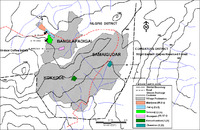 Sanfec Farmers Map
-
PME Keystone Foundation_Complete
-
PME Field Experience_Sneh_Book
This document, titled "Participatory Monitoring and Evaluation: Field Experiences," was requested by twelve partners of the SDC/IC NGO Programme Karnataka-Tamil Nadu. The partners adopt a participatory approach to development, based on a well-established rapport with the village communities. All activities are planned and reviewed through group discussions, often using participatory tools. However, there has been little systematic community-based monitoring and evaluation. The document aims to provide development field workers with specific examples of participatory monitoring and evaluation using various tools, with a focus on the latter, given the programme cycle. The document is being produced in English, Kannada, and Tamil, and will also be published in Kannada and Tamil. Participatory monitoring evaluation (PME) is an integrated part of planning and implementing project activities, and should be discussed, identified, and agreed with community stakeholders at the beginning. In cases where a rigorous PME process is not put in place, participatory methods can still capture community perceptions of change and build on informal systems of monitoring through observations and community discussions.
-
Kitchen Garden_ Nilambur
-
 Millets
-
Millets in the Nilgiris - DDS, Hyderabad - June 2008
-
Millet initiatives - Traditional Millet Farming in Nilgiri Biosphere Reserve
-
Land Development Initiative - SDC ICl
-
Land Chapter_ Land Development and Traditional Agriculture Revival
-
Kitchen Garden Report
-
Dehusker
-
Coffee Story
-
 Land development and revival of traditional agriculture with tribal communities in the Nilgiris_170_Case_study_3
-
 Aragani
-
 Agriculture_For_Punjanur area
-
Ann's Report _ Food Security amongst Tribal Communities in the Nilgiri's.
-
Case studies in 2009
-
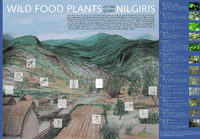 Wild food plants of the lower Nilgiri
-
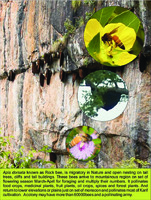 Pollinator Book
 The document discusses various species of pollinators, including bees, wasps, and beetles, highlighting their roles in pollinating a wide range of plants, including crops and wild flora. It emphasizes the importance of these pollinators, such as the Indian hive bee and the migratory rock bee, in enhancing agricultural yields and maintaining biodiversity. The text also addresses the ecological challenges faced by these species, such as habitat loss and the need for conservation efforts, while outlining the benefits of pollination for food production and ecosystem health. Additionally, it notes the significance of both self and cross-pollination processes facilitated by these insects, which are crucial for seed development in plants.
-
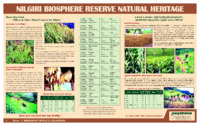 Poster on Millet's
 The document, seemingly part of a series titled "Indigenous People & Livelihoods," lists various crops and produce with names in a local language, The document is from A GROUP FOR ECO-DEVELOPMENT INITIATIVES, Keystone Centre, Kotagiri, Nilgiris, India.
-
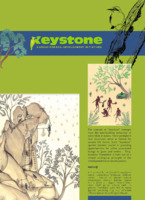 Poster on Keystone's Program