Items
Class
Text
-
 Beekeeping & development_1999 September The document provides an overview of the diverse practices of beekeeping across India, highlighting the various species of honey bees such as Apis cerana, Apis dorsata, and Apis mellifera, and their regional significance. It discusses the traditional and commercial aspects of apiculture, emphasizing the impact of the Thai Sac Brood Virus on the indigenous Apis cerana populations in Southern India and the subsequent recovery efforts by local beekeepers. The document also addresses the importance of honey production for local economies, the role of rural beekeeping in the market, and the need for modern techniques to enhance traditional practices. Additionally, it underscores the challenges faced by beekeepers, including disease management and market dynamics, while advocating for sustainable practices and the preservation of biodiversity in beekeeping. Beekeeping & development, Honey Bees in India, pros and cons in marketing/promoting honey and bee waxes, Growth of apis cerana in south India. TSBV effect and restorative.
 -
 Honey Hunters of the Nilgiris - The Road to Sustainability_1997 December_Beekeeping & Development The document discusses the traditional practices of honey hunting among tribal communities in the Nilgiris Hills of Tamil Nadu, India, particularly focusing on the Kurumbas, Irulas, and Kathnaickens tribes. It highlights the cultural significance of honey hunting, which is intertwined with rituals, beliefs, and community cooperation, such as marking honey colonies and performing prayers before harvesting. The document also addresses the ecological and economic challenges these communities face due to changes in their environment and market dynamics, emphasizing the need for documentation and support to sustain their traditional livelihoods. Through a survey conducted by the NGO Keystone, the text aims to raise awareness about the importance of preserving these practices and the knowledge associated with them. Traditional methods/ways/techniques of honey hunting, material/Tools used for hunting, seasons of hunting, rituals/prayers follwed by the hunters before/after hunting.Beliefs/superstitions/traditioin of the hoeny hunterscommunities.
 -
 Log hives of Sorag_1996 September- October _Beekeeping & Development The document discusses sustainable beekeeping practices in a village in the Pindar Valley, Uttar Pradesh, India, where local farmers use log hives made from hollowed-out logs of native trees to keep Indian hive bees (Apis cerana). These log hives, which are cost-effective and constructed from local materials, provide excellent insulation against cold temperatures, allowing large bee colonies to thrive during harsh winters. Honey is harvested twice a year, primarily for personal use rather than sale, while wax is typically discarded. The article emphasizes the advantages of this traditional beekeeping method, including the ease of passing down knowledge through generations and the hives' resemblance to natural nesting sites, highlighting a sustainable approach to beekeeping that aligns with local environmental conditions.
 -
 The Honeyhunters of Tamil Nadu-Climbing Through a Period of Change_1995_Forest Trees & People Newsletter no 29 The article explores the lives and traditions of honeyhunters and beekeepers in Tamil Nadu, focusing on their cultural practices, the challenges they face due to modernization, and environmental changes. It highlights the rich diversity of tribal communities engaged in honeyhunting, their historical significance, and the rituals associated with this activity. The authors conducted a survey to document these practices and understand the socio-economic impacts of changing land use and government regulations on these communities. The article emphasizes the need for preserving traditional knowledge while adapting to new economic realities, advocating for support that respects and builds upon the indigenous practices of honeyhunters to ensure their livelihoods and cultural heritage are sustained. This is a newsletter which gives you the details of the honey hunting tech, rituals what they following, uses of the honey and the comb.
 -
 Mutualistic relationships invovling the endemic Cycas circinalis L.: Field notes from the Appankappu forests, Nilambur, Kerala, India - The Cycad Newsletter, Vol. 30, No. 4 About Cycas Circinalis in the Nilambur region and the ecology it supports.
 -
 World Indigenous People's Day - The Local Vol. 1, Issue 8, August 31, 2007 About efforts to revitalise indigenous cultural practices through various efforts like the Niilgiri Seemai Suddhi
 -
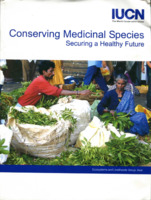 Documentation of Indigenous Knowledge in the Nilgiri Hills of India (IUCN magazine - Conserving Medicinal Species - Securing a Healthy Future) A quick overview of Keystone's efforts to document and revitalise indigenous knowledge in the Nilgiris.
 -
 Kurumba and Irula (India - World Food - Communities) The story of two indigenous communities that live in the Nilgiris
 -
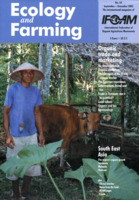 Trade and marketing issues when dealing with tribal products A brief history of Keystone's livelihood interventions with the honey hunting communities of the Nilgiris, developing markets for wild honey, promoting bee keeping etc.
 -
 Tribal Communities: Sustainable Livelihood Options (Public Hearing on Environment and Development) An overview of indigenous ways of living in the Nilgiris. Based on a paper presented at the Udagamandalam Public Hearing.
 -
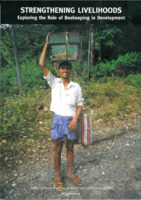 Working with Indigenous Communities in the Nilgiris of Southern India The document discusses the efforts of The Keystone Foundation, an NGO focused on improving the livelihoods of indigenous communities, particularly honey hunters and beekeepers in the Nilgiri Hills of Tamil Nadu. It highlights the cultural significance and declining practice of honey hunting among the Kurumba tribe, who rely on this activity for their livelihoods. The Foundation's approach includes enhancing honey extraction techniques, improving market access, and addressing challenges such as lack of recognition and fair pricing for honey products. Through community engagement and capacity building, the Foundation aims to create sustainable development pathways that integrate beekeeping with broader natural resource management and economic opportunities for these communities. Issues faced by honeyhunting communities in the Nilgiris
 -
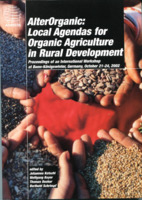 Developing Markets for Tribal Organic Products - Experiences from Nilgiris, India Challenges related to developing NTFP market links with small tribal communities in the Nilgiris
 -
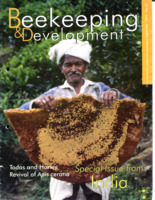 Beekeeping and Development - The Journal for Sustainable Beekeeping - Special Issue from India - September 1999, No. 52 This special issue of the journal contains contributions from researchers working and associated with Keystone. 1) Pratim Roy: Bee-diversity across a Tropical Tract - Honeybees and People in India - An Overview 2) Mathew John: Marketing of Honey and Bees Wax 3) Robert Leo: Trees Bees Use - My Favourite Bitter Honey 4) Keystone Foundation: Revival of Apis Cerana in South India
 -
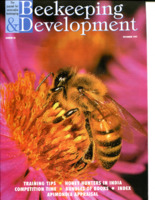 Honey Hunters of The Nilgiris: The Road to Sustainability An account of the communities, stories and techniques related to honey hunting in the Nilgiris
 -
 The Honeyhunters of Tamil Nadu: Climbing Through a Period of Change Based on the report 'Honeyhunters and Beekeepers of Tamil Nadu - A Survey Document, Keystone, October 1994'. The provides an insight into the lives of honeyhunters and beekeepers.
 -
 Honey Hunters and Beekeepers of Tamil Nadu The document presents a survey on honey hunters and beekeepers in Tamil Nadu, highlighting the significance of these activities in rural development and the sustainable use of natural resources. It discusses the traditional practices of various tribal groups engaged in honey hunting and beekeeping, emphasizing their cultural connections and the challenges they face due to modernization, land use changes, and economic pressures. The document details the ecological and socio-economic implications of these practices, noting the importance of indigenous bees and the impact of external factors on the livelihoods of these communities. It also addresses the need for appropriate technology and management strategies to support tribal beekeepers while preserving their cultural heritage and ecological balance. Primary survey of TN Honey hunters. 16 tribal communities and surveyed 11 hill areas To see the status of beekeeping and honey hunting skills and issues related to bees and the environment
 -
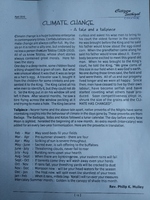 Climate Change - A tale and a tailpiece The document discusses climate change through a narrative that highlights its historical and moral implications, referencing a story endorsed by Leo Tolstoy. It illustrates how past agricultural practices and communal living contributed to a healthier environment, contrasting it with modern selfishness and competition that have led to environmental degradation. Additionally, the document includes traditional proverbs from the Nilgiris, reflecting the local understanding of climate patterns and their impact on agriculture throughout the year, emphasizing the connection between nature and human activity. Pg. 13 of Citizens Seithigal - A bi-lingual magazine published in Coonoor, circulated in the neighbouring districts of Nilgiris.
 -
 Annual Report_2009 This resource contains an overview of activities taken up during the course of FY 2009 at Keystone Foundation, inclusive of programmatic activities, finances and updates from the field centers.
 -
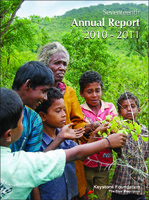 Annual Report_2010 This resource contains an overview of activities taken up during the course of FY 2010-2011 at Keystone Foundation, inclusive of programmatic activities, finances and updates from the field centers.
 -
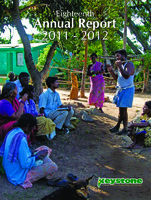 Annual Report_2011 This resource contains an overview of activities taken up during the course of FY 2011-2012 at Keystone Foundation, inclusive of programmatic activities, finances and updates from the field centers.
 -
 Annual Report_2012 This resource contains an overview of activities taken up during the course of FY 2012-2013 at Keystone Foundation, inclusive of programmatic activities, finances and updates from the field centers
 -
 Annual Report_2013 This resource contains an overview of activities taken up during the course of FY 2013-2014 at Keystone Foundation, inclusive of programmatic activities, finances and updates from the field centers.
 -
 Annual Report_2014 This resource contains an overview of activities taken up during the course of FY 2014 at Keystone Foundation, inclusive of programmatic activities, finances and updates from the field centers.
 -
 Annual Report_2015 This resource contains an overview of activities taken up during the course of FY 2015 at Keystone Foundation, inclusive of programmatic activities, finances and updates from the field centers.
 -
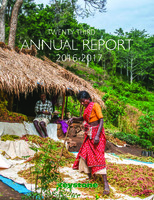 Annual Report_2016 This resource contains an overview of activities taken up during the course of FY 2016 at Keystone Foundation, inclusive of programmatic activities, finances and updates from the field centres