-
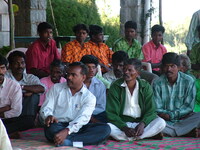 Jenu Hubba - February,2005
 The first `festival' cum meeting held in Keystone was based on the theme of bees, honey and honey hunting. After the survey across the Nilgiris Biosphere reserve where we met many communities, we wanted to invite them to see our work and share their knowledge, tools and techniques amongst themselves. This was the first time many communities were seeing each other. Most were in awe of Cholanaikens, and there were Betta Kurumbas from Bandipur, Mullu Kurumbas and Kathnaickens from Wayanad. Sholiga, Alu Kurumba and Irulas from several regions were present to share their experiences. The snacks were traditional foods - the Keerai pori and honey was a favourite. Balasubramani, Krishna, L.Rajendran, P. Chandran and Murugesh played an important role in organising the event. Ajile Bottu, the art group painted their first flags for this festival.
-
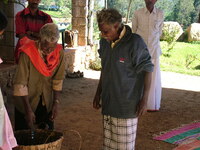 Sharing honey hunting techniques - Cholanaickens
 During the Jenu Hubba held at Keystone in 2005, we had many of the NBR communities represented. It was the first time that Cholanaickens from the New Amrambalam forests in Nilambur, travelled to Kotagiri and talked about their methods, tools and knowledge related to honey collection
-
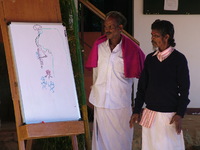 Sharing Techniques of Honey hunting
 Kurumba honey gatherers Mahalingam and Rasu shared their technique, social group and materials used for gathering honey at Jenu Habba held at Keystone Campus
-
 Honey Hunters of the Blue Mountains
 Honey hunting practices of Kurumba community in Nilgiris, started off with work in Semmanarai,.
Work of other areas in Coonoor were also featured.
-
 Honey Hunters and Beekeepers of Tamil Nadu
 The document presents a survey on honey hunters and beekeepers in Tamil Nadu, highlighting the significance of these activities in rural development and the sustainable use of natural resources. It discusses the traditional practices of various tribal groups engaged in honey hunting and beekeeping, emphasizing their cultural connections and the challenges they face due to modernization, land use changes, and economic pressures. The document details the ecological and socio-economic implications of these practices, noting the importance of indigenous bees and the impact of external factors on the livelihoods of these communities. It also addresses the need for appropriate technology and management strategies to support tribal beekeepers while preserving their cultural heritage and ecological balance.
Primary survey of TN Honey hunters.
16 tribal communities and surveyed 11 hill areas
To see the status of beekeeping and honey hunting skills and issues related to bees and the environment
-
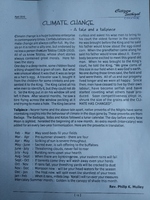 Climate Change - A tale and a tailpiece
 The document discusses climate change through a narrative that highlights its historical and moral implications, referencing a story endorsed by Leo Tolstoy. It illustrates how past agricultural practices and communal living contributed to a healthier environment, contrasting it with modern selfishness and competition that have led to environmental degradation. Additionally, the document includes traditional proverbs from the Nilgiris, reflecting the local understanding of climate patterns and their impact on agriculture throughout the year, emphasizing the connection between nature and human activity.
Pg. 13 of Citizens Seithigal - A bi-lingual magazine published in Coonoor, circulated in the neighbouring districts of Nilgiris.
-
 Annual Report_2009
 This resource contains an overview of activities taken up during the course of FY 2009 at Keystone Foundation, inclusive of programmatic activities, finances and updates from the field centers.
-
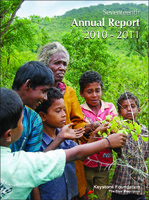 Annual Report_2010
 This resource contains an overview of activities taken up during the course of FY 2010-2011 at Keystone Foundation, inclusive of programmatic activities, finances and updates from the field centers.
-
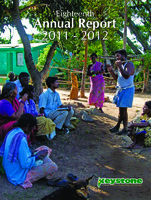 Annual Report_2011
 This resource contains an overview of activities taken up during the course of FY 2011-2012 at Keystone Foundation, inclusive of programmatic activities, finances and updates from the field centers.
-
 Annual Report_2012
 This resource contains an overview of activities taken up during the course of FY 2012-2013 at Keystone Foundation, inclusive of programmatic activities, finances and updates from the field centers
-
 Annual Report_2013
 This resource contains an overview of activities taken up during the course of FY 2013-2014 at Keystone Foundation, inclusive of programmatic activities, finances and updates from the field centers.
-
 Annual Report_2014
 This resource contains an overview of activities taken up during the course of FY 2014 at Keystone Foundation, inclusive of programmatic activities, finances and updates from the field centers.
-
 Annual Report_2015
 This resource contains an overview of activities taken up during the course of FY 2015 at Keystone Foundation, inclusive of programmatic activities, finances and updates from the field centers.
-
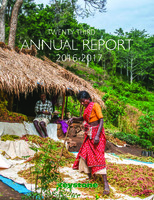 Annual Report_2016
 This resource contains an overview of activities taken up during the course of FY 2016 at Keystone Foundation, inclusive of programmatic activities, finances and updates from the field centres
-
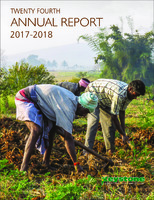 Annual Report_2017
 This resource contains an overview of activities taken up during the course of FY 2017 at Keystone Foundation, inclusive of programmatic activities, finances and updates from the field centers.
-
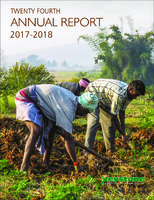 Annual Report_2018
 This resource contains an overview of activities taken up during the course of FY 2018 at Keystone Foundation, inclusive of programmatic activities, finances and updates from the field centers.
-
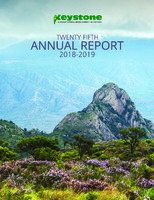 Annual Report _2018-2019
 This resource contains an overview of activities taken up during the course of FY 2018-19 at Keystone Foundation, inclusive of programmatic activities, finances and updates from the field centers.
-
 Annual Report _2020
 This resource contains an overview of activities taken up during the course of FY 2020-21 at Keystone Foundation, inclusive of programmatic activities, finances and updates from the field centres
-
 Annual Report_1997
 This resource contains an overview of activities taken up during the course of FY 2021-22 at Keystone Foundation, inclusive of programmatic activities, finances and updates from the field centres
-
Annual Report _1996
This resource contains an overview of activities taken up during the course of FY 1996 at Keystone Foundation, inclusive of programmatic activities, finances and updates from the field centers
-
Annual Report_1992-1994
This resource contains an overview of activities taken up during the course of FY 1992-1994 at Keystone Foundation, inclusive of programmatic activities, finances and updates from the field centres
-
 Protocols for Sustainable Harvest
 The document outlines guidelines aimed at promoting sustainable harvesting practices for various forest products, emphasizing the importance of responsibility in resource management. It identifies key stakeholders involved in the harvesting process, such as harvesters, traders, forest managers, and biologists, and highlights the need for effective communication among them. The document discusses the impacts of different harvesting methods on plant populations, ecosystems, and genetic diversity, stressing that unsustainable practices can lead to declines in species and disrupt ecological balance. It also provides specific protocols for harvesting various plant parts, including leaves, bark, roots, and honey, while advocating for community-based ecological monitoring to ensure that traditional knowledge and ecological health are integrated into harvesting practices. Overall, the resource serves as a comprehensive guide for institutions and individuals engaged in the sustainable management of forest resources.
-
 Handbook on Honey Hunting and Beekeeping
 The document explores the traditional practice of honey hunting among indigenous communities in the Nilgiri region of India, highlighting the ecological and cultural significance of this activity. It describes the rich biodiversity of the area, particularly the habitats of the Giant Rock Bees, which are crucial for honey production. The document contrasts different honey hunting techniques, such as tree and cliff hunting, and emphasizes the socio-cultural rituals and beliefs surrounding the practice, including the respect for bees and the environment. It also discusses the economic aspects of honey harvesting, the tools used, and the importance of sustainable practices to ensure the survival of both the bees and the traditional knowledge of the honey hunters. Overall, it illustrates how honey hunting is intertwined with the identity and livelihoods of the local communities while promoting conservation and respect for nature.
-
 Madhu Duniya
 The document details an international conference focused on honey hunting and its significance to indigenous communities across South and Southeast Asia, held in Araku Valley, India. Organized by the NTFP Exchange Programme, the event brought together honey gatherers, NGOs, and government officials to discuss sustainable harvesting methods, honey quality, and marketing strategies. Presentations highlighted the diverse techniques used by various communities, the challenges faced in the global honey market, and the importance of preserving traditional practices. The conference also featured workshops, exhibitions, and discussions aimed at fostering collaboration and knowledge exchange among participants, ultimately seeking to enhance the livelihoods of those involved in honey collection while promoting sustainable practices.
-
 Honey Hunters and Beekeepers of Tamil Nadu